
YOU HAVE TO HANG ON
Agent Guide
Three emotionally isolated strangers whose lives have been shaped by three very different ways of surviving trauma accidentally become a family while trying to protect a precocious little girl, discovering that healing comes not from justice, rescue, or hiding, but from allowing themselves to be loved.

YOU HAVE TO HANG ON is an upmarket, character-driven novel that blends a suspense structure with an emotional heartbeat centered on trauma, protection, and reckoning.
Word count: 91,200
Harriett Sexton is a neurodivergent private investigator who doesn’t use people’s names because they imply familiarity, doesn’t “do feelings,” and believes justice matters more than the law and that intimacy is a liability. Sawyer Shepard is a grief-haunted paramedic whose savior complex is a compulsion stemming from a fatal failure when he was twelve years old. He mistakes helping people for redemption and being needed for being known. Whereas Harriett spends her life moving away from people, Sawyer spends his moving relentlessly toward them.
When undocumented housekeeper Sofia seeks Harriett’s help breaking free of her abusive American ex-boyfriend, Harriett initially refuses because of a strict rule about avoiding domestic violence cases for reasons she won't discuss. Then Harriett learns they have a three-year-old daughter, an American citizen whose future with her mom could become collateral damage if Sofia seeks other help and then is deported.
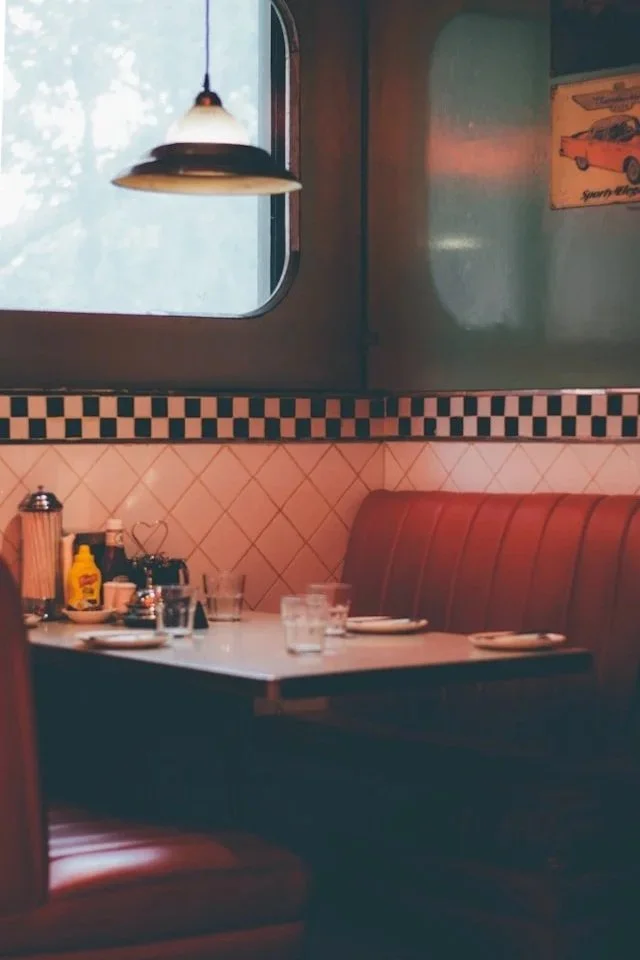
Harriett begrudgingly joins forces with Sawyer and Sofia, whose persistence slowly chips away at the protective walls Harriett began constructing when she was twelve. Harriett and Sawyer become real friends over pancakes—always pancakes—and always in the diner booth Harriett claims as theirs. But as Harriett begins using their names and lets herself be hugged by the little girl, the pain of her past demands to be reckoned with.
After Harriett threatens Sofia’s ex, he abducts their daughter and convinces Sofia to be his hostage. Harriett and Sawyer breach the house where they’re being held, but their rescue attempt erupts into irreversible violence. When it’s over, Harriett has given everything for a family she believed she never wanted, forcing Sawyer and Sofia to reckon with whether their healing can survive the cost.
The Details
-
Harriett Sexton
Private Investigator | scrappy and irreverent, neurodiverse, intimacy avoidant, righteously vindictive, unique sense of right and wrong
"I never refer to or think of clients by name. Names imply familiarity—a connection—and I prefer to keep my distance. Not just from clients. From everyone. Intimacy is too painful—closeness brings too many opportunities to get hurt.
I do know them, though. Their names. The Client's name is Claire."
Sawyer Shepard
Paramedic | compassionate but grief-haunted, good Samaritan complex, quietly protective, lovable, teddy-bear of a man
""Once we’ve cleared everyone for injuries and the business of the car accident is handled, I—reluctantly, I’ll admit—hand the now sleeping baby to her mom. My chest is empty and light where her weight was, a bittersweet end to a rough day—not enough people I could help, too many I couldn’t.
I miss the heft of the baby.""
-
Adults—particularly women—who enjoy:
emotionally resonant book club fiction with a strong narrative engine;
morally gray protagonists, found family, questions of justice and belonging, and stories that ask difficult ethical questions while ultimately offering hope;
the authors of the included comp titles;
the blend of emotional depth, moral complexity, found family, and high-stakes, heart-forward suspense of Chris Whitaker, Ann Napolitano, and Angie Kim;
the emotional depth of Catherine Newman.
-
Moral duty, friendship, and forgiveness set against the backdrop of deportation fear in the southern US
Other themes and elements:
Vigilante justice
Transformative power of found-family
Grappling with guilt
Facing grief
Overcoming trauma
Moral obligation
Deeply flawed characters
Loneliness and connection
Second chances
Platonic love
Romantic love
Hopeful end
-
I am a writer, reader, and mom to two strong-willed elementary school daughters (one of whom is neurodivergent) who writes stories, thinks about life, and brings people together around books. My work is rooted in the ways we make sense of life, be it through stories, conversation, or the connections we make with one another. In my writing, I do this through upmarket fiction that explores the space between tragedy and joy among family and friends and through my personal essay series Eliciting Esperance: Notes on Living, which explores deeper questions hidden in everyday moments. I also promote books I recommend and am in the process of branding these efforts under the umbrella Books Between Friends. Finally, I teach creative writing to elementary schoolers through an after-school enrichment program. I was previously represented—we parted ways mutually and amicably—and am seeking a collaborative editorial and career partner for this project, which has never been on submission.
-
“When a gritty PI lands a case that threatens to crack the protective walls she’s built around herself, a page-turning quest for justice ensues. Highlighting the complexities of living as an undocumented person in modern day America, You Have to Hang On is a timely story that will grip the reader and take them on an unforgettable journey.”
— Grace Walz, author of Southern by Design, Good Hair Days, and the forthcoming Pretty as a Peach
“You Have To Hang On is a harrowing story of the ultimate sacrifices a mother and unexpected strangers make to ensure the safety of an innocent child. Sarah Berke skillfully weaves together a captivating tale of difficult upbringings, repressed heartaches, diabolical control, tender friendships, and the transcendent power of love that bridges past to present.
The masterful depth of characters will dwell in your heart way after the story ends.
An engaging book club read that will elicit the full spectrum of emotions and touch your heart in ways you won’t expect.”
— 40+ mom of two
The Comps
Emotional register + earned hope
triangulated found-family dynamic with themes of redemption, forgiveness, effects of trauma

Themes + social commentary
considers questions of race and class, how well-meaning people cause harm, and who the system protects
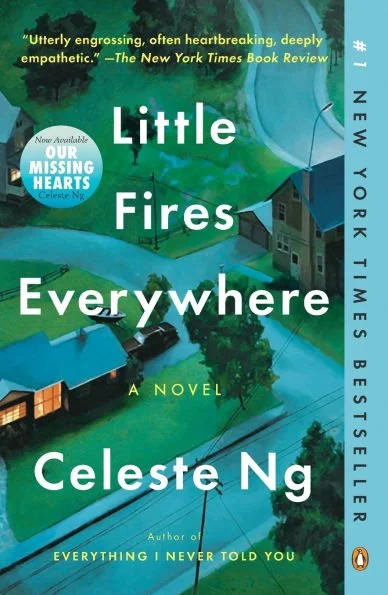
Tension + pace
multi POV, missing child, suspenseful vibe and emotional complexity, unflinching view of how wealth and privilege distort justice



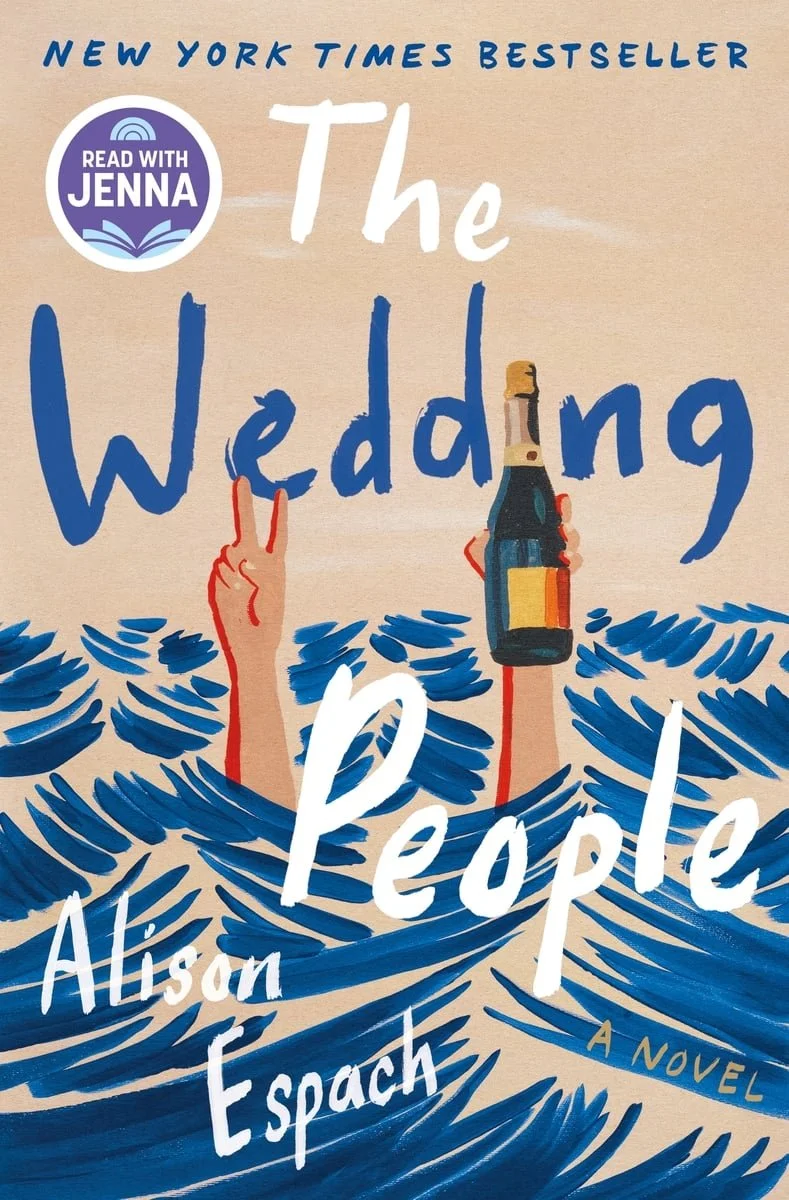
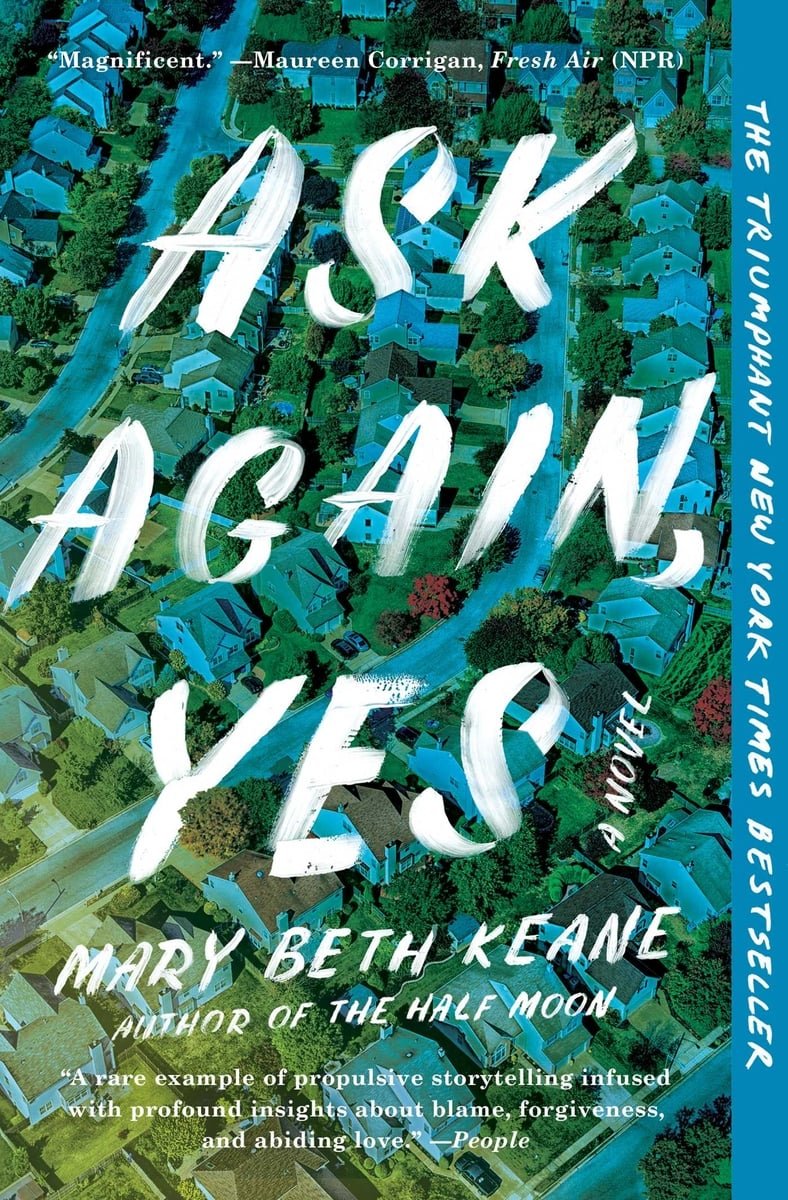
Protagonists
neurodivergent female with a traumatic past who avoids human connection paired with lovable guy who bonds easily
Pace + motivations
propulsive pace, protection of a child with grief woven through
Emotional register generational reckoning with trauma, asking whether people can outrun the past
Wit + warmth + dark material = tone
lonely strangers to community heart, unlikely found family
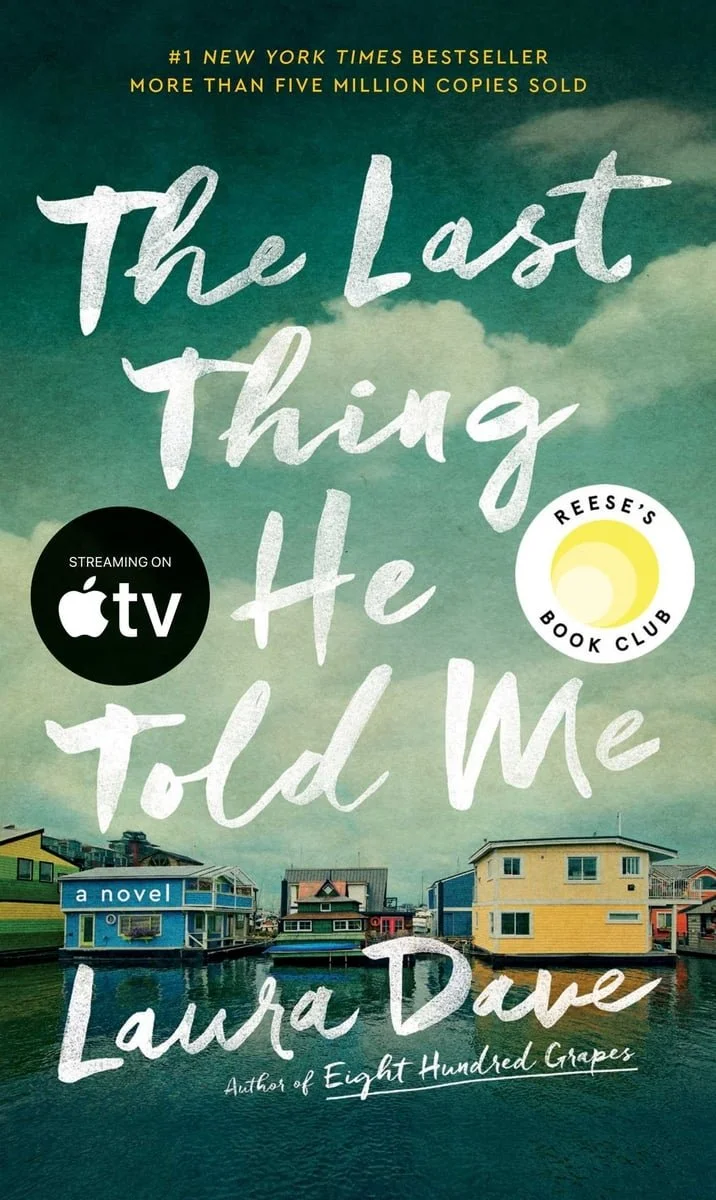



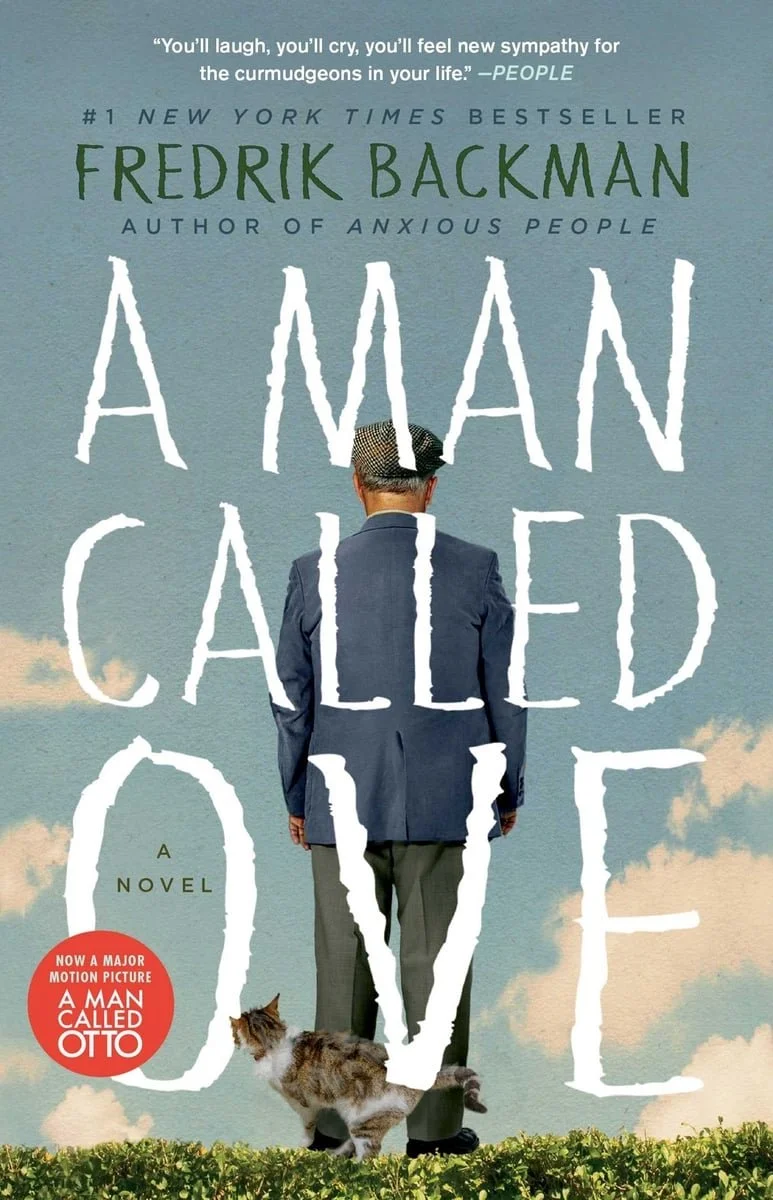
female-led domestic thriller, missing child, protagonist operating outside the law
prickly, brilliant, unapologetic, socially avoidant female investigator
prickly and self-isolated protagonist meets a compulsively caring protagonist become found family
emotionally resonant, morally complex female protagonist whose past is revealed bit by bit as present-tense stakes escalate
upmarket fiction with thriller elements, fiercely-reliant protagonists shaped by abandonment
The Sample
Prologue
Something crashes in the trees near where I’m embedded—close but invisible in the dark, feet cushioned by the soft dirt in the woods along the driveway. Normally the earthy scent of wet pine is comforting, but not tonight. Not with Sofia and Olivia still in Bentley’s reach.
I flinch at the metallic pop. Twigs snap, pine needles whisper down. I know that sound now, and the hairs on the back of my neck rise, goosebumps prickling my arms.
And then I hear it again.
And I run.
My legs burn, but it’s too far, and I’m not fast enough. The waiting SUV’s door flies open and Sofia leaps out, sprinting, a hundred feet ahead, pulling away.
Harsh overhead lights illuminate the garage, and the nightmare I’ve been fighting since I was twelve comes in fast and hot—the bone-deep knowledge that no matter what I do, it won’t be enough.
My breath is ragged, the mask clinging to my lips damp with sweat and saliva. I yank it to free my nose and mouth and gulp the cold night air, which stings like glass in my lungs.
When I reach the garage, everything stops. The stretch of seconds impossibly long compared to the ones that came before, even though I know it’s a trick of my mind.
I blink and the scene sharpens into focus: the bodies on the ground. The spreading blood.
The regret, as sharp as the smell of iron. A scent I know well, but not like this.
The sacrifice must be worth it. Olivia—pure, small, undeserving. The only innocent.
I lunge into the garage.
Part 1
Three Weeks Earlier
Chapter 1
Harriett
The Bastard is definitely cheating.
He’s good at it—I’ve yet to actually see him with another woman—but all indicators point to infidelity. Not just the things The Client noticed—a passcode on his phone, a new tendency to work late, a penchant for working out replacing his proclivity toward sloth, unusual cash withdrawals, and the intangible but significant gut feeling—but the things I’ve documented, too. Repeated visits to the same boutique hotel, purchases of flowers never once delivered to The Client, the professional development workshops he signed up for but never attended.
The hidden bank account.
I shift in the front seat of my car—parked at his office—trying to restore blood flow to my ass. If I don’t get out soon, my legs will tingle and bite when I stand, slowing and distracting me. And I hate being distracted. Distractions crack the insulated container in my brain dedicated to my work, the one thing that makes me happy-adjacent. And they’re risky. Dangerous.
Normally he walks out at 12:01 exactly—a creature of adulterous habit. I’ve been leaving the building next door at 12:02 every day for weeks to establish my pattern, allowing me to blend into the nondescript monotony of his day as I catalog his movements. I track him before work, during lunch, and after work. I have other cases, but right now The Bastard is my primary focus.
The clock flips from 12:29 to 12:30.
There’s only so long I can sit here pretending to be on the phone before I become noticeable to the various people in and out of the buildings of this suburban office complex during lunchtime. And visibility is a private investigator’s worst enemy.
A black Mercedes parks behind me. Same make, model, and tag as the one owned by the woman I suspect is The Bastard’s mistress. The one car that was always at the hotel at the same time The Bastard was and doesn’t tie back to an employee—and I know, because I logged every single car every single time and ran the plates.
This is an anomaly, since they always meet at the hotel. An escalation in risk that shows either complacency, confidence, or arrogance, but that may work to my advantage.
At 12:44, The Bastard’s receptionist walks out the front door, right on time, and I enter the data in my log. One hour, sixteen minutes until her return. And she’s never returned early.
The door of the Mercedes opens. A spiky heel emerges before a long, toned leg, followed by a curved body. The tits were clearly paid for, maybe the ass, too.
I pull the phone from my ear and snap a few pictures before she hurries into the office, but opportunity and proximity don’t equal proof of an affair. I need more.
I turn the car on and back up, then pull out. I need to stash the car somewhere The Mistress won’t see again. The donut shop behind the complex should work.
I pull into the parking lot and slide into a spot, grabbing my digital camera. Satisfied no one is looking, I duck into the trees. I’ve walked this path daily to get a glimpse of him in his office, building a complete registry of his movements. Wet leaves buffer my footfalls, but the late winter branches do nothing to hide my movement as I approach the line of trees ringing the small clearing that abuts The Bastard’s building.
He may be a member of the lucky sperm club, having gotten his millions from his daddy and lucrative investments instead of from his own work, but that doesn’t make him smart. He doesn’t close the blinds, likely assuming no one would be looking in from the trees. White men are so comfortable being seen, never second guessing their own safety.
But today someone is looking. And today, hopefully, there will be something to see: the one thing I need to finish this project and give The Client the leverage she seeks. Proof.
I pull up the hood of my sweatshirt, slinking toward the building. I have to be fast, but even if someone spots me, I’ll be gone long before any police arrive. I’ve never been caught doing surveillance, but my PI’s license is the free pass if I do.
The brick is cold through my sweatshirt as I flatten my back against the wall. I need eyes inside, so I hold my phone up, camera on selfie to get a surreptitious peek at what’s happening.
The Bastard and The Mistress are copulatively focused, so I slide the phone in my pocket. High-res photos of his dick in her mouth should do the trick.
But they go full hide-the-sausage, The Mistress sprawled on the desk next to a photo of The Client and their kids. This level of proof is an unexpected, but welcome stroke of luck.
I’ve snapped several photos—more than enough to prove infidelity—when the tone of the fucking changes. It’s clearly no longer consensual, and she tries to push him away. The Bastard grabs her hair and yanks her head back, raising his voice so that it carries clearly through the thin glass of the window.
“You like it rough,” he says with an infuriating cockiness.
“You’re hurting me.” The Mistress’s tone is desperate. “Stop.” He doesn’t.
Well, now. A stop order has been issued, but it seems it will need to be repeated. By me. I have zero tolerance for this kind of bullshit, and no taste for violence, unless I’m the one inflicting it. But even then, only if deserved.
I drape the camera around my neck and slide my gun from the holster at my back, shield my eyes, and smash the window with the butt of my gun, glass tinkling like rain, then run to the side of the building and dart across the clearing and well into the woods. It’s unlikely he’ll re-engage, not with a breeze on his ass and glass on the floor.
I wait a careful minute, then one more, and loop back around to the trees. The office is empty. I walk parallel to the building until I can see beyond it.
The Mistress’s car is gone.
I jog nimbly through the woods, slowing as I reach the edge of the parking lot, then get in my car and drive away. A half mile later I pull into a Walmart, parking halfway down the aisle: close enough so as not to arouse suspicion, far enough there won’t be many people passing. I retrieve my laptop and power it up, connecting the camera to the computer and downloading the pictures. As they copy, I connect to Walmart’s WiFi.
Some things in life are free.
After uploading the photos, I back them up, copy them to a thumb drive, then shut the computer. I’ll provide the thumb drive with all the digital photos to The Client, of course, but I also like to have a few printed copies on hand for illustrative purposes. Handing a likely-to-be-angry client a tablet or laptop is a mistake you only make once.
I open my phone and text The Client before heading inside, empty folder tucked under my arm, sliding my hands into my pockets against the cold.
As I approach the photo counter, The Dropout looks up but doesn’t wave. At this particular Walmart, I pay a twenty-something college washout looking for an extra buck to print what I need, erase the trail the photos leave, and keep his mouth shut.
“Interesting bunch today,” he says.
I nod, saying nothing. A couple bucks is enough compensation. He doesn’t get details.
When the photos are done, I swap them for a fifty. The three glossy eight by tens cost less than six dollars, but I don’t bother with change. Happy people stay quiet.
My phone vibrates as I cross the parking lot, and I check the message from The Client without breaking stride. I’ll meet you at my house in fifteen minutes.
We’ve always met at my office. Two pattern deviations in one day are suspicious, but probably unrelated. Still, I don’t like changes in habit, and my own risk tolerance takes priority.
Why? I ask.
I don’t have time to get to your office, meet, and get home to meet the school bus.
It means the children aren’t at home. Okay, I’ll allow it.
I arrive at The Client’s neighborhood thirteen minutes later and am buzzed through a pointless gate. I could have parked on the corner and walked through the open pedestrian one.
Why The Client works when her husband is this wealthy baffles me, though the invitation for deep conversation inherent in that question is too big a risk to make it worth asking. Just like I never refer to or think of clients by name. Names imply familiarity—a connection—and I prefer to keep my distance. Not just from clients. From everyone.
I do know them, though. Their names. The Client’s is Claire.
Her perfectly manicured lawn looks like a golf course, and the door opens as I approach the flagstone steps leading to the massive house. The Client and I have similar features, but notable differences. Her hair is a paid for golden honey, whereas mine is a natural white blonde. She’s gym toned, whereas I’m skin and bones but don’t give a shit. All I care about is that my body lets me do my job and doesn’t draw attention. Though my height—or lack of—is sometimes a problem in that regard.
Today she’s wearing bright pink scrubs with unicorns. I know without asking or being told that The Client is a pediatric oncology nurse. Why anyone would want to subject themselves to both children and grief—things best experienced by other people and in private—daily is beyond me, but I’m glad there are people who can. I couldn’t.
And she’s a good person. Since The Bastard is definitely a bad one, helping her is more satisfying. I prefer it this way. I like justice, especially when I get to enact it myself.
“Are we safe here?” I ask in greeting.
“Hello to you too, and yes, Joshua’s occupied by an attempted break-in at his office.”
I remain silent. I’ll imply nothing.
I follow her down a wide hallway to a huge kitchen, mentally photographing everything should I need it later. There are an annoying number of photos of children at indeterminate ages.
I slide out a kitchen chair and sit without being invited to.
“Something to drink?” The Client asks.
“Coffee. Black.”
The Client selects a pod for the fancy coffee machine.
“Not decaf,” I say, clocking the one she grabbed. “The regular kind.”
The Client raises her eyebrows. “This time of afternoon?”
I fold my hands together and rest them on top of the folder I’ve placed on the table.
The Client sighs and selects the correct pod. When it’s finished, she slides the mug onto the table, taking the seat next to mine.
“Here are three sample photos.” I flip open the folder and slide it to her. “And the rest.” I hand her the thumb drive.
She picks up the photos one by one. It’s part of my job to provide information and its supporting evidence that will inevitably prove hurtful. Sometimes I’m helping destroy what was previously believed, sometimes presenting as truth what was just a whisper of fear before. This doesn’t bother me, though. I stopped feeling feelings after What Happened.
The Client rolls her lips inward but maintains her composure. Good for her.
“When are these from?”
“Today.”
“I don’t recognize her,” she says. “I’m not sure whether that’s good or bad.”
“I included a copy of her property tax record on the thumb drive.”
“Is she married, too?” The Client asks.
My eyes narrow. I’ve caught her husband with his dick in places it shouldn’t be, and that’s what she wants to know? Wondering if there are other innocents, comes with the territory of being a good person, I suppose. I nod.
“Children?”
I focus on the window beyond The Client’s head. “No.”
The Client nods. “A small blessing, I suppose.” It’s better if there aren’t more kids fucked up in their impressionable years, but it doesn’t lessen the infidelity.
She picks the photos up one by one, manicured hands gripping them so tightly they curl around her fingers. She stacks them, edges perfectly aligned, then slides them into the folder before resting her hands on top—an exact replica of my pose moments ago.
“Do I want to know what happened at his office?” The Client asks.
I shrug. How am I supposed to know what she wants? She’s smart, though, to have figured it out. I like when people are as smart as me—it keeps things interesting—but I wonder what gave me away. I can’t draw attention to whatever it is by asking, though.
“Okay, yes, tell me,” she says.
I lick my lips. Telling her risks being implicated in the “break-in,” but the metadata from the photos I gave her could do the same, and I’ve avoided ramifications from worse situations. Plus, it’s always better for women to know what kind of man they’re dealing with.
“It got rough. I invited him to reconsider his approach by breaking the window.”
The Client cocks her head and narrows her eyes, staring off into the distance. Perhaps trying to assimilate this version of her husband with the one that exists in her mind.
“I didn’t want to have to do this,” she whispers. “But I’ve tried so hard. And I’m tired of him trampling on my dignity because he can’t keep his dick in his pants. He needs to be punished the only place it will really hurt him. His wallet.”
This surprises me. I had her pegged as one of those rich people. Not a cheater, but someone who thinks their money makes them better. She’s been nothing but respectful, but that’s often true when someone has something you want. It’s when they don’t that you see their true nature. But I’ve completed the project, and she’s still treating me like an equal.
“I’ve been stashing cash, but I believe this will give me what I need to invalidate the prenuptial agreement,” she says, refocusing on me, “and help with custody, too.” To my relief, her tone is businesslike again. She rises and extends her hand. “Thank you for your assistance.”
I look at her hand, then slowly back up, but not at her eyes. Eye contact is too intense. Too uncomfortable. She slides her hand into the pocket of her scrubs, pulling out an envelope.
“I believe this concludes our business together. I’ll call you again should the need arise.”
I slide the envelope into my pocket before rising to leave.
As I near the front door, there’s movement to my right, in the formal living room. A Latina woman stands next to a large piano wearing black leggings, worn sneakers, and a gray V-neck t-shirt, a navy bandanna keeping her dark hair back. The clothes are inexpensive but with no visible signs of wear, no wedding ring. She’s of average height and build, toned arms, dark eyes, freckles, likely right-handed based on how she’s holding the dust rag. No visible tattoos, and her demeanor is at ease and non-threatening, but still.
“I thought you said we were alone.” I don’t like being unaware of people in my immediate vicinity.
The Client’s footsteps stutter, but her voice is firm. “No, I said we were safe. That isn’t the same thing.” She gestures to the woman. “This is Sofia, my housekeeper. Even if she heard any of what was said, I trust her.” The Client laughs. “Joshua barely knows she exists.”
My eyes stay on the woman, who stands tall and steady. There’s no malice in her eyes, but she’s firm in her gaze. Unapologetic. I’m a little impressed. And I’m rarely impressed.
“Hello,” the woman says haltingly. “It is nice to meet you. ¿Hablas español?”
I do speak Spanish, but my business is done, here. Instead of responding, I turn and walk out the door, not bothering to close it behind me.